
residential ventilation contractors

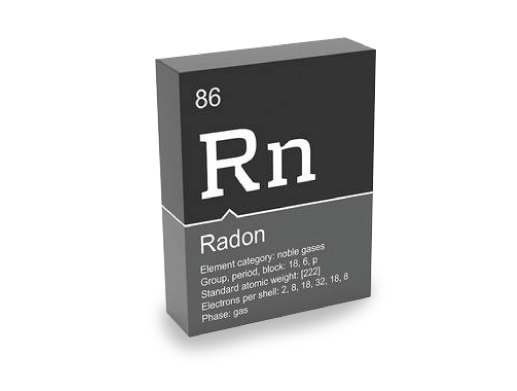
What Is Radon?

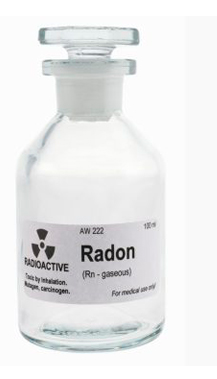
Radon is a naturally occurring radioactive gas that is present everywhere in our environment. It is created by the breakdown of uranium in soil, rock, and water.

When radon is released into the outdoor environment it mixes with air and remains at a low risk level.

It’s a different story when it enters an enclosed space such as your home. There it can reach levels of concentration that are of real concern.
radon-btl-web

“Radon is likely our leading environmental cause of cancer mortality in the United States. During the past 50 years, over a million people have died nationwide from radon-related lung cancer.”

Testimony from R. William Field, University of Iowa professor of occupational and environmental health and epidemiology to President’s Cancer Panel in 2010
Making Homes Healthier

Radon is now known to be the leading cause of environmental cancer mortality and is the seventh overall leading cause of cancer mortality.

The World Health Organization as well as governments all over the world recognize the risk of radon and are taking action.You too can take action in your own home. Radon Atlantic can help. We offer certified solutions at reasonable costs. We encourage you to learn more about the risk of radon and the effective solutions that can make your home a healthy place for your family.

At Radon Atlantic we are:

Honest

Working with Radon Atlantic means working with honesty and integrity. We provide advice, share expertise, and recommend solutions with the primary goal of identifying strategies that will improve the quality of indoor air for all of our clients.

Knowledgeable

We are well known for our knowledge regarding indoor air quality, for our desire to share that knowledge, and for our commitment to continuous learning and quality improvement.

Professional

We work in people’s homes, schools, and their places of employment and understand the significance these environments have for our clients. Guided by this awareness, we provide high-quality services using up-to-date technology and expertise.

Reliable

Radon Atlantic’s team of professionals are certified and dedicated to quality improvement. Our clients understand that they can rely on our expertise, our products, and our services.

About Us

Radon Atlantic provides comprehensive services for improving indoor air quality.

Our goal is to support our clients to breathe healthier, cleaner air by designing and implementing solutions that meet their needs.

Our services include:

  • Radon Mitigation

    As a naturally occurring radioactive gas that can reach unhealthy levels in an indoor environment, radon poses serious health risks. In recent years, government agencies around the globe, including the World Health Organization have read more…

  • Heat Recovery Ventilation (HRV) Installation and Service

    HRV systems remove stale air and distribute cleaner, healthier air throughout an indoor environment. An HRV system also enables healthy levels of moisture control and can be installed in almost any indoor location such as a new or older home, a school, apartment building, or office building read more…

  • Air Quality Improvement

    Most people spend a considerable amount of time inside where many substances, ranging from dust and cooking odours to mold and radon, create barriers to quality indoor air. At Radon Atlantic, we work with our clients to understand these impacts and to take steps that will allow them to breathe – and be – healthier. Our team is read more…

  • Advisory

    Although we provide advice to clients as part of our services, we also offer consultation and advisory services to home builders, contractors, and architects. Tips and suggestions may also be found under resources and frequently asked questions.

Test Kits

We strongly recommend purchasing your test kit through the Nova Scotia Lung Association.

They offer a top quality alpha track test kit for $35 (including all lab fees) and will mail kits to any area of the province.  This system allows tests of varying length to be performed. Applicable to most homes, a 91-day test can be performed under regular living conditions (no need to maintain closed house conditions) and is recognized by both Health Canada and the EPA as giving an accurate representation of average radon levels present in a home.

Results are suitable for determining the possible need for mitigation.

Order NS Lung Association Testing Kit Online

 Test Kits

The Risk

Radon is a known human “Class A” carcinogen.

The gas and its decay products have been directly linked to lung cancer. Smokers or those exposed to second-hand smoke are at much greater risk.

The only way to find out if your home has a radon problem is to measure the level inside it.

Learn more about the risk of radon and the effective solutions that can make your home a healthy place for your family.

radon remediation nova scotia

We found significant associations and exposure-response patterns between long-term residential radon exposure radon in a general population and risk of primary brain tumours, adding new knowledge to this field. This finding could be chance and needs to be challenged in future studies.

radon remediation nova scotia

Naturally occurring isotopes of radon in indoor air are identified as the second leading cause of lung cancer after tobacco smoking. Radon-222 (radon gas) and radon-220 (thoron gas) are the most common isotopes of radon. While extensive radon surveys have been conducted, indoor thoron data are very limited. To better assess thoron exposure in Canada, radon/thoron discriminating detectors were deployed in 45 homes in Fredericton and 65 homes in Halifax for a period of 3 months. In this study, radon read more…

Halifax certified HRV contractors

New Health Canada research indicates there are hundreds more cases annually of lung cancer caused by indoor radon exposure than first determined in the late 1970s, prompting the agency to urge Canadians to check levels of the colourless and odourless gas in their homes.

Health Canada tests conducted in the late 1970s estimated that 10 per cent of lung cancers resulted from indoor exposure to the radioactive gas…read more

radon mitigation certification nova scotia

The air inside your home plays a huge role in the way you and the rest of your family feel on a day-to-day basis.

Want to know the hard facts? The air inside your home can be two to five times more polluted than the air outside. In some cases, it’s 100 times worse!

Take Action on Radon

Take Action on Radon

Radon exposure is the leading cause of lung cancer for non-smokers and Canadians are urged to take action to protect their health and the health of their families.

Radon Atlantic

Certificate

Radon Atlantic is a naturally occurring radioactive gas and is the leading cause of lung cancer in non-smokers. It is odorless, colorless, and tasteless and can enter homes through water, soil, and even through its construction materials.

FREQUENTLY ASKED QUESTIONS

1. What Is Radon, and Why Is It a Concern in My Home?

Radon is a naturally occurring radioactive gas released by the breakdown of uranium in soil and rock. It can enter homes through cracks in foundations and other openings, where it may accumulate indoors. Because radon has no smell, colour, or taste, testing is the only reliable way to determine its concentration.

2. What Is the Risk of Radon Gas?

Long-term exposure to elevated radon levels increases the risk of lung cancer. Radon is a significant cause of lung cancer in Canada, particularly among people who smoke or have smoked. Since exposure can occur without noticeable symptoms, testing your home is an important step towards understanding and reducing this risk.

3. What Is Health Canada's Recommended Radon Level?

Health Canada recommends taking corrective action when the average annual radon concentration in a home exceeds 200 becquerels per cubic metre (Bq/m³). The higher the radon level, the sooner corrective action should be taken. Testing helps homeowners determine whether mitigation is needed.

4. How Can I Find Out If My Home Has High Radon Levels?

The only way to know your home's radon level is to test it. Health Canada recommends long-term testing, ideally over three to twelve months, to estimate the average annual concentration. You can use a suitable radon test kit or contact a qualified radon measurement professional for assistance.

5. How Does Radon Mitigation Work?

Radon mitigation involves reducing the amount of radon entering or accumulating inside a home. A commonly used method is active soil depressurization, which uses a vent pipe and fan to draw radon from beneath the foundation and release it outdoors. Follow-up testing helps determine whether the system has reduced radon levels effectively.